

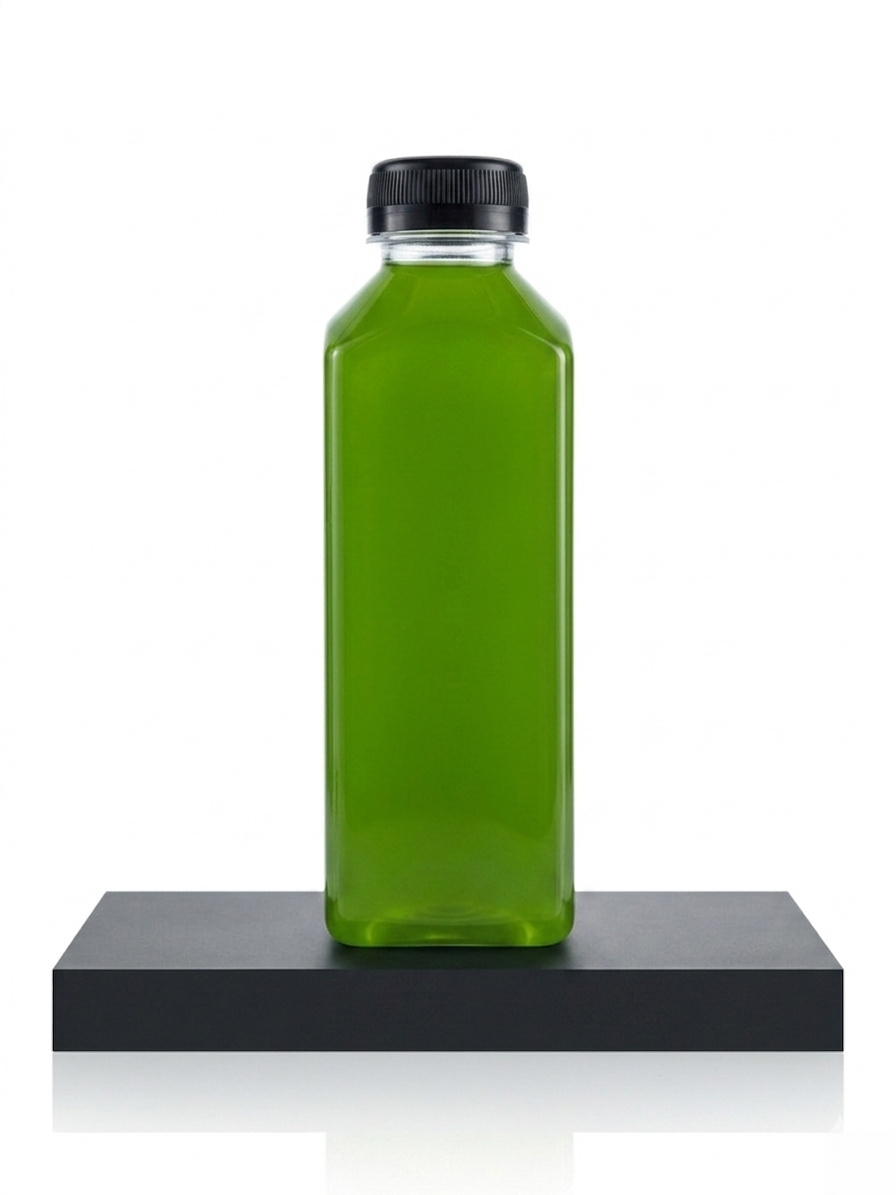
LIVE Phytoplankton (Nannochloropsis) 16oz – Premium Microalgae for Reef Tanks
The green gold of the marine aquarium world. Nannochloropsis is the #1 choice for reef keepers who want to boost copepod populations, feed filter-feeding corals, and outcompete nuisance algae. This 16oz bottle contains 100+ million live, nutrient-rich microalgae cells ready to pour directly into your tank.
What Is Nannochloropsis?
Nannochloropsis is a single-celled marine microalgae packed with omega-3 fatty acids, proteins, and antioxidants. In nature, it forms the base of the ocean food web. In your reef tank, it serves three critical roles:
- Live food for copepods, rotifers, and zooplankton
- Direct nutrition for LPS, SPS, and soft corals (filter feeders)
- Natural water purification through nutrient uptake
Unlike powdered or refrigerated pastes, our LIVE Nannochloropsis stays suspended in the water column for hours, giving corals and pods maximum feeding time.
Why Choose Nannochloropsis for Your Reef?
🦐 1. Essential Copepod Food
Copepods cannot survive on detritus alone. They require live microalgae to breed and thrive. Dosing Nannochloropsis 2-3 times per week transforms a dying pod population into a booming, self-sustaining colony. More pods = cleaner tank + free fish food.
🪸 2. Direct Coral Nutrition
Clams, feather dusters, gorgonians, sponges, and many LPS/SPS corals directly consume phytoplankton. The 3-5 micron cell size of Nannochloropsis is perfectly sized for coral tentacles to capture. Regular feeding leads to better polyp extension, faster growth, and vibrant colors.
🧹 3. Natural Algae Competition
Live phytoplankton consumes the same nutrients (nitrates and phosphates) that nuisance algae and cyanobacteria need to grow. By dosing live phyto, you outcompete ugly algae while feeding your desirable tank inhabitants. It's biological warfare — and the good guys win.
🥚 4. Hatchery-Grade Rotifer Food
Breeding clownfish, seahorses, or banggai cardinals? Rotifers are the first food for fry, and rotifers need Nannochloropsis to stay alive and nutritious. Our 16oz bottle provides weeks of hatchery food for serious breeders.
What’s Inside the Bottle?
- Volume: 16 fl oz (473 ml)
- Live Cell Count: 100+ million Nannochloropsis cells per bottle (verified via microscopy)
- Species: Nannochloropsis oculata / Nannochloropsis gaditana (mono-culture)
- Purity: 100% live culture – no preservatives, no additives, no refrigeration required until opened
- Color: Vibrant deep green (sign of healthy, dense culture)
- Shelf Life (unopened): 3 months stored in a cool, dark place
- Shelf Life (opened): 3-4 months refrigerated (shake well before each use)
Who Needs This Product?
- ✅ Reef keepers with copepods or amphipods – Keep your cleanup crew alive and breeding.
- ✅ Coral enthusiasts – Feed LPS, SPS, soft corals, clams, feather dusters, and sponges.
- ✅ Mandarin & dragonet owners – Sustain the pod population your picky eaters depend on.
- ✅ Clownfish / seahorse breeders – Feed rotifers to raise healthy fry.
- ✅ Anyone battling algae – Outcompete diatoms, bryopsis, and cyano naturally.
- ✅ New tank startups – Seed biodiversity and prevent the "ugly phase."
How to Use (Simple Dosing Guide)
General Reef Tank Dosing
Maintenance Dose: 5-10ml per 50 gallons every other day.
Heavy Feeding (for corals/pods): 10-15ml per 50 gallons daily.
For Copepod Population Boosting
Dose 10ml per 50 gallons every day for the first two weeks after adding pods. Then reduce to every other day.
For Hatcheries / Breeding Tanks
Add enough to tint water light green (approximately 20-30ml per 10 gallons). Re-dose when water clears.
Storage Instructions
Unopened: Store in a cool, dark cabinet (not in direct sunlight or near heat). Do not freeze.
Opened: Refrigerate immediately. Shake vigorously before each use (cells settle over time). Use within 3-4 months. Discard if smell turns sour/rotten or color becomes brown.
Live Delivery Guarantee
We ship live phytoplankton Monday–Wednesday via Priority Mail in insulated, temperature-controlled packaging. Because Nannochloropsis is a living culture, extreme temperatures during transit can affect viability. If your bottle arrives with no green color, a foul smell, or clear separation that doesn't mix back to green, contact us within 2 hours of delivery for a free replacement or full refund.
Frequently Asked Questions
Q: Do I need to refrigerate the bottle before opening?
A: No. Unopened bottles can stay at room temperature (65-80°F) in a dark place for up to 3 months. Once opened, refrigerate immediately. Do not freeze — freezing kills live algae.
Q: Can I overdose Nannochloropsis?
A: Yes, but it's difficult. Overdosing can temporarily cloud your water and raise nitrates/phosphates slightly. Start with 5-10ml per 50 gallons and observe. If water becomes hazy, skip a day. Most reefers actually under-dose — your corals and pods will tell you when they want more (better extension, more pod activity).
Q: How is this different from bottled "green water" products at pet stores?
A: Many store-bought phyto products are dead, preserved, or pasteurized. Dead phyto clouds water and adds nutrients without any feeding benefit. Our Nannochloropsis is 100% alive — corals and pods can actually digest and absorb the nutrition. Live cells also remain suspended longer, giving more feeding opportunities.
Q: Can I use this in a freshwater tank?
A: No. Nannochloropsis is a marine microalgae and will die in freshwater, clouding the tank without benefit. For freshwater, look for our Chlorella or freshwater phyto blends (sold separately).
Q: How often should I dose if I have a heavy pod population?
A: Heavy pod grazing means they need more food. Dose 10-15ml per 50 gallons daily or every other day. You'll know you're dosing enough when you see pods crawling on the glass day and night.
Q: Does this help with dinoflagellates?
A: Indirectly, yes. Dosing live phytoplankton boosts your tank's biodiversity and outcompetes dinoflagellates for nutrients. However, dinos are complex — combine phyto dosing with other control methods (increased biodiversity, nutrient management, UV sterilization).